

Current Series
2027 Holocaust and Genocide Lecture Series
Humanity's Curse: Genocide, War, and Atrocity
January 27 - May 11, 2027
Tuesdays at 4:00pm
Stevenson Hall 1301 and via Zoom
All lectures are free and open to the public. See the bottom of this page for parking information.
2027 Speaker Schedule
January 26, 2027
Stephen Bittner
Lecture title: Historians and the Holocaust
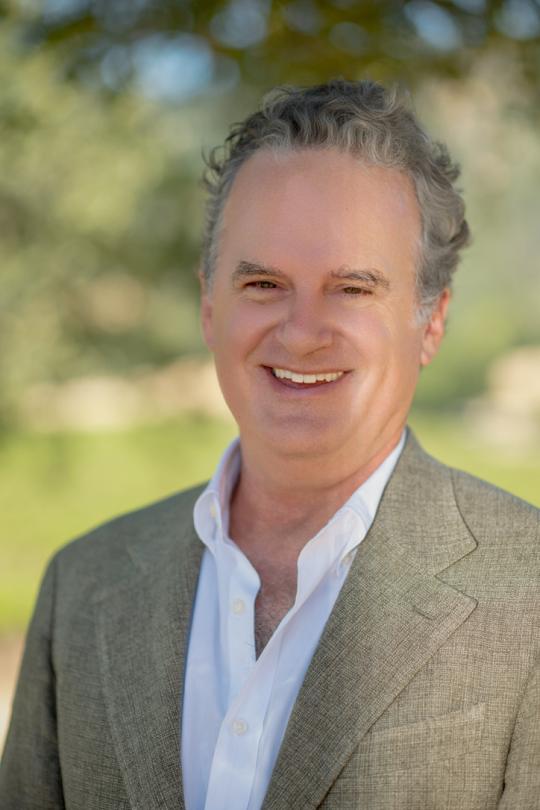
Stephen Bittner is Professor of History and Director of the Center for the Study of the Holocaust and Genocide at Sonoma State University. He is the author of Whites and Reds: A History of Wine in the Lands of Tsar and Commissar, The Many Lives of Khrushchev’s Thaw: Experience and Memory in Moscow’s Arbat, 1953-1968, and the editor of Dmitrii Shepilov’s The Kremlin’s Scholar: A Memoir of Soviet Politics under Stalin and Khrushchev, which was named a “book of the year” by New Statesman magazine. Bittner is also Special Topics Editor at the journal Kritika: Explorations of Russian and Eurasian History. He received his PhD from the University of Chicago.
February 2, 2027
Michael David-Fox
Lecture title: Synergies of Violence: Reinterpreting the Holocaust on Russian Territory in Light of the Destruction of Soviet POWs and Other Waves of Nazi Violence
Adele Zygielbaum Memorial Lecture
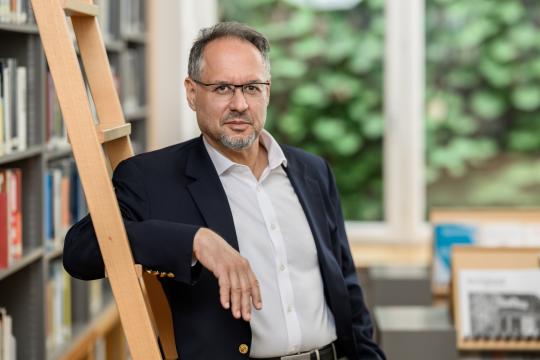
Michael David-Fox is a historian of communism and fascism and author or editor of 15 books on Russian, Soviet, European, and Ukrainian history. He is currently Rector of the Institute of Human Sciences in Vienna and Professor in the School of Foreign Service and Department of History at Georgetown University. His latest work, Crucibles of Power: Smolensk under Stalinist and Nazi Rule, won the 2026 Vucinich Prize from ASEEES for the best book in any field of Slavic, Eurasian and East European studies. He received his AB from Princeton and his PhD from Yale.
February 9, 2027
Rena Victor, Susan Victor, and Micah Victor Lesch
Lecture title: From Generation to Generation: Holocaust Survivors and Their Descendants
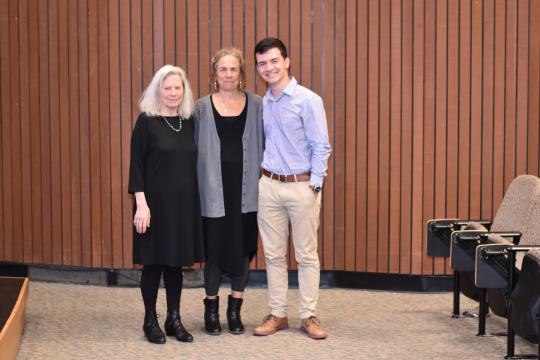
Rena Victor was born in Germany to a Jewish mother and non-Jewish father. She survived the Holocaust in hiding as a child. More than 50 family members on her mother's side were killed. Susan Victor, Rena’s daughter, is Professor Emerita of Curriculum Studies and Secondary Education at Sonoma State University and is currently co-president and Education Committee Chair of the Alliance for the Study of the Holocaust and Genocide. Her father survived prison and a concentration camp as a teenager. Micah Victor Lesch, Rena’s grandson, graduated from UC Law SF in 2025 and completed a one-year fellowship at REDRESS in the Hague where he supported the organization's strategic litigation on behalf of torture victims before the international courts. He is currently working as an immigration lawyer at Brooklyn Defender Services/Immigration Practice in New York.
February 16, 2027
Aliza Luft
Lecture title: Sacred Betrayal: How the French Catholic Church Broke Its Pledge to Protect Jews During the Holocaust
Myrna L. Goodman Memorial Holocaust and Genocide Lecture
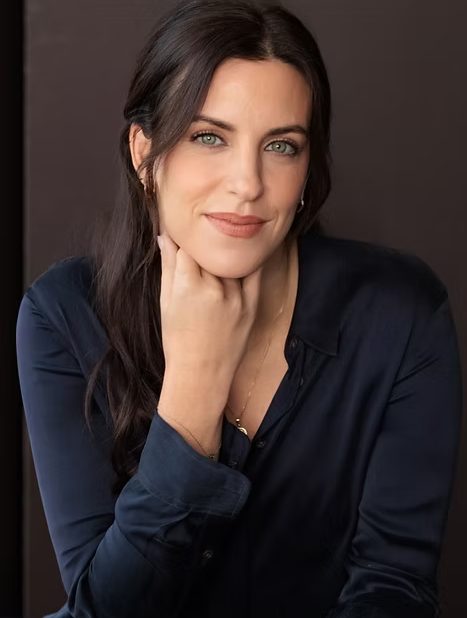
Aliza Luft is Associate Professor of Sociology at UCLA. Her work examines how people classify themselves and others, how those classifications shift under extreme pressure, and what leads individuals to participate in, resist, or abstain from violence. She is the author of Sacred Betrayal: How the French Catholic Church Broke Its Pledge to Protect Jews during the Holocaust. Luft serves as Interim Director of the UCLA Bedari Kindness Institute, which houses the Initiative to Study Hate and Dialogue Across Difference, and sits on the Steering Committee of the UC Institute on Global Conflict and Cooperation. Before joining UCLA, she worked with USAID, the United Nations Counter-Terrorism Committee Executive Directorate, the Montreal Institute for Genocide and Human Rights Studies, and Facing History & Ourselves.
February 23, 2027
Laura Jockusch
Lecture title: Jewish Revenge and the Holocaust: New Approaches to History, Memory, and Imagination
Robert Harris Memorial Lecture
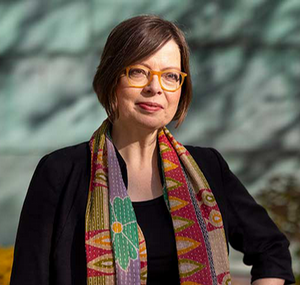
Laura Jockusch is Associate Professor and holds the Albert Abramson Chair in Holocaust Studies at Brandeis University. She wrote Collect and Record! Jewish Holocaust Documentation in Early Postwar Europe, which won the National Jewish Book Award and was co-winner of the Sybil Milton Book Prize, and Jewish Revenge and the Holocaust: History, Memory, and Imagination. She edited Khurbn-Forshung: Documents on Early Holocaust Research in Postwar Poland, and co-edited with Gabriel Finder Jewish Honor Courts: Revenge, Retribution and Reconciliation in Europe and Israel after the Holocaust, and most recently with Devin Pendas, The Cambridge History of the Holocaust: Volume IV: Aftermath, Outcomes, Repercussions. Her current research explores Jewish conceptions of post-Holocaust justice and the trials of Stella Goldschlag (aka Kübler-Isaaksohn) in postwar Germany.
March 2, 2027
Jeffrey Ostler
Lecture title: The Question of Native American Genocide
Hans Angress Memorial Lecture
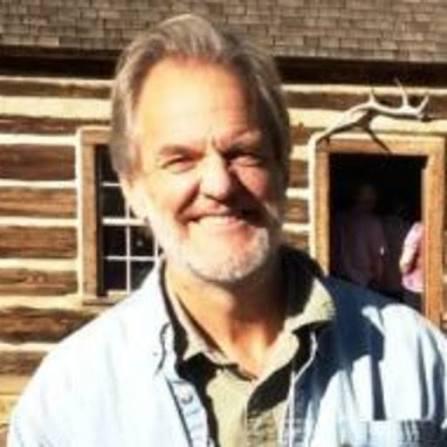
Jeffrey Ostler is Professor of History Emeritus at the University of Oregon and a leading scholar of Native American history and U.S. Indian policy. He is the author of The Plains Sioux and U.S. Colonialism from Lewis and Clark to Wounded Knee, which was the winner of the Caughey Prize; Surviving Genocide, which won the Ray Allen Billington Prize; and Surviving Genocide in the American West, which is forthcoming in 2027. Ostler’s work has been widely recognized for its contributions to indigenous history. He is the recipient of the Western History Association’s Indigenous History Achievement Award.
March 9, 2027
Preston McBride
Lecture title: A Lethal Education: Genocide and Native American Boarding Schools
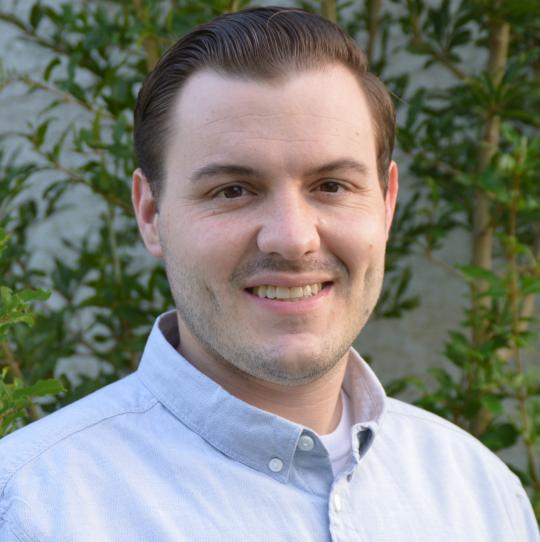
Preston McBride is an Assistant Professor of History at Pomona College, where he teaches U.S. and Native American history. He held postdoctoral fellowships in the USC/Mellon University of the Future Program and as the Charles Eastman Fellow at Dartmouth College. His work with boarding schools, genocide, and historical epidemiology appears in The Cambridge World History of Genocide and California History, and his book A Lethal Education is forthcoming. His research has been supported by the National Endowment for the Humanities, the School for Advanced Research, and the National Native American Boarding School Healing Coalition. He earned his PhD at UCLA.
March 16, 2027
Jeffrey Bachman
Lecture title: Understanding Genocide in the World of Harry Potter to Better Understand Genocide in Our World
Sylvia Sucher Memorial Lecture
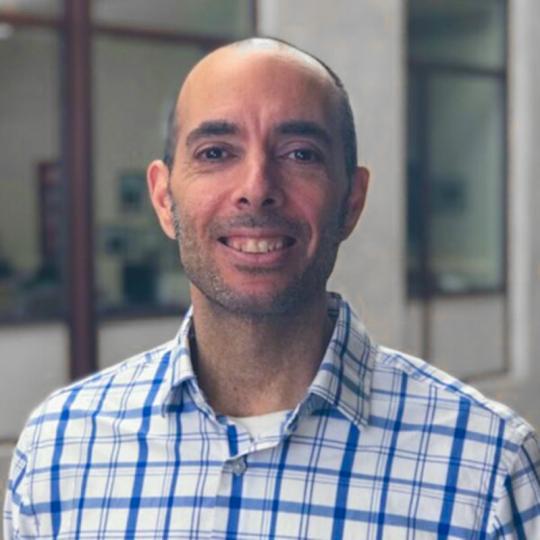
Jeffrey Bachman is Cohen Endowed Chair in Holocaust and Genocide Studies at Keene State College. He is also Co-Editor-in-Chief of Genocide Studies and Prevention: An International Journal. He is the author or editor of seven books, including The Routledge Handbook of Genocide Studies, Genocide Studies: Pathways Ahead, The Politics of Genocide: From the Genocide Convention to the Responsibility to Protect, Cultural Genocide: Law, Politics, and Global Manifestations, and The United States and Genocide: (Re)Defining the Relationship.
March 30, 2027
Miriam Kingsberg Kadia
Lecture title: Summiting Like a State: Japanese Exploration and Occupation of Northeast China
Dr. Peter Stanek Memorial Lecture in the History of the Japanese Occupation of China and the War in the Pacific
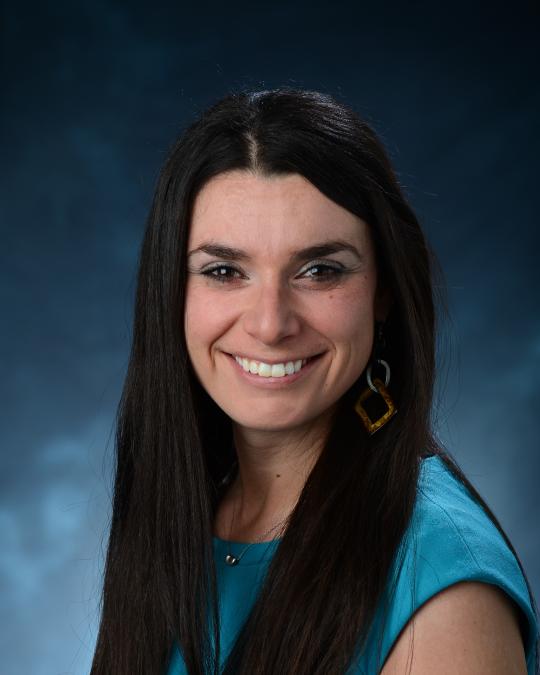
Miriam Kingsberg Kadia is Professor of History at the University of Colorado, Boulder. She is a specialist in modern Japanese history. She is the author of Moral Nation: Modern Japan and Narcotics in Global History, and Into the Field: Human Scientists of Transwar Japan. She is currently working on a book about the history of Japanese mountaineering. She earned her PhD at UC Berkeley.
April 6, 2027
Henry Kaku
Lecture title: Loyal Americans: The Internment of Japanese-Americans during WWII
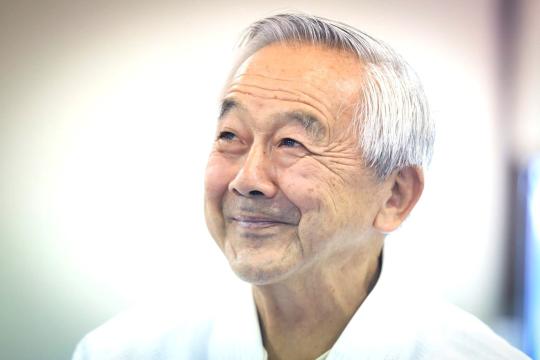
Henry Kaku holds a BA in Psychology and lives in Petaluma. He worked as a human resource director, a high school teacher, an origami and judo master, and a community activist. He is the Chair of the Speakers Bureau for Sonoma County JACL. Kaku’s family members were US citizens born in California. They were incarcerated during WWII, stripped of their citizenship, and deported to Japan after the war. They returned to the US in 1956. The short film “Loyal American” was made in 2025 by the National Geographic Society about Kaku’s family story.
April 13, 2027
Ron Hassner
Lecture title: Religion Is Not a Cause of War
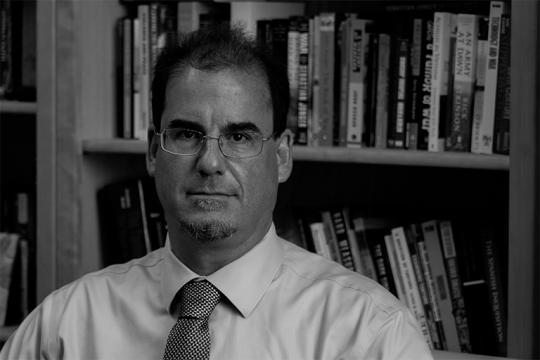
Ron Hassner is a Professor of Political Science and Helen Diller Family Chair in Israel Studies at the University of California Berkeley. He is the editor of the Cornell University Press book series Religion and Conflict and edits the journal Security Studies. Professor Hassner studies the role of ideas, practices, and symbols in international security with particular attention to the relationship between religion and violence. Hassner’s most recent book is Anatomy of Torture.
April 20, 2027
Elyse Semerdjian
Lecture title: Through a Mother's Eyes: Pailadzou Captanian's Genocide Testimony and the Armenian National Struggle
Mary Dolbashian Davidian Armenian Genocide Education Lecture
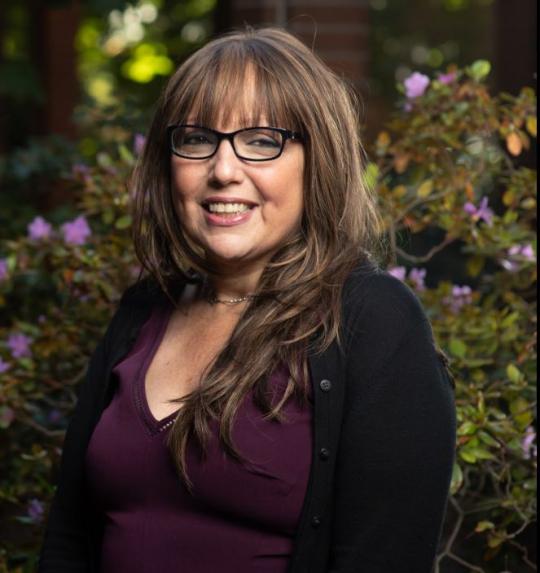
Elyse Semerdjian is Robert Aram and Marianne Kaloosdian and Stephen and Marian Mugar Chair of Armenian Genocide Studies at the Strassler Center for Holocaust and Genocide Studies at Clark University. A specialist in the history of the Ottoman Empire, especially Ottoman Aleppo and the Armenian community, she authored Off the Straight Path: Illicit Sex, Law, and Community in Ottoman Aleppo, and Remnants: Embodied Archives of the Armenian Genocide. The latter book was the winner of the 2024 Association of Middle East Women’s Studies best book prize and the 2025 Raphael Lemkin Book Award from the Institute for the Study of Genocide.
April 27, 2027
Taylor Prescott
Lecture title: Cartographies of Captivity and Rival Geographies of Flight: Mapping Black Life in the Wake of the Atlantic Slave Trade
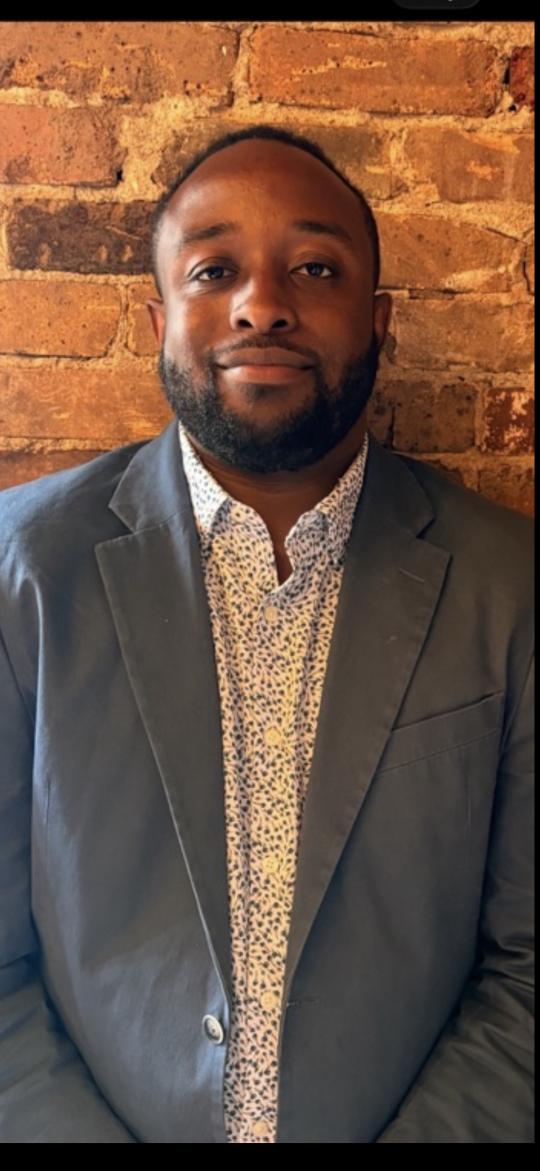
Taylor Prescott is an Assistant Professor of African American and African Studies at the University of California, Davis. He is an alumnus of Fisk University, Georgetown University, and the University of Pennsylvania, Prescott’s scholarship foregrounds Black political sovereignties, transatlantic freedom struggles, and migration across the wider Atlantic World. He is especially interested in examining the global entanglements and interdisciplinary implications of eighteenth- and nineteenth-century Sierra Leone. His research has been supported by the Gilder Lehrman Institute, the John Carter Brown Library, the Huntington Foundation, and the Fulbright Foundation.
May 4, 2027
Nicole Fox
Lecture title: Reckoning with the Past: Case Studies of Transitional Justice in Africa
Alexandre Kimenyi Memorial Lecture
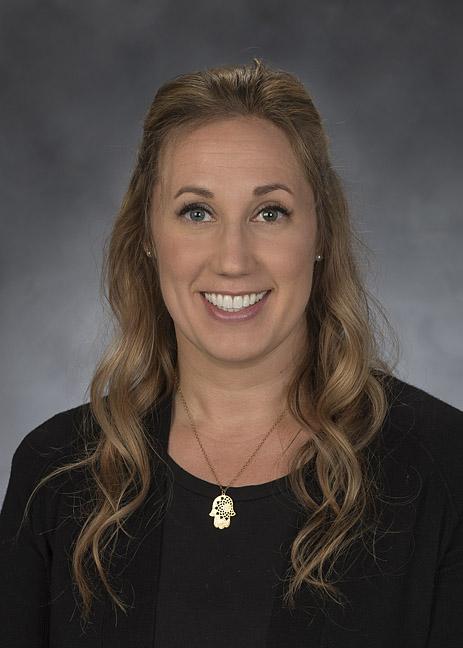
Nicole Fox is an Associate Professor of Criminal Justice at California State University, Sacramento. Her research, funded by the Harry Frank Guggenheim Foundation, National Science Foundation, and Mellon Foundation, examines how remembrance of atrocity shapes healing, reconciliation, and social movements. Her book After Genocide: Memory and Reconciliation in Rwanda (2021) won the 2023 Feminist Criminology Best Book Award. She received the American Society of Criminology's 2023 National Teaching Award, the field's highest teaching honor, and organizes prison education programs across Northern California. With Sociologists for Women in Society, she also contributes to the UN Commission on the Status of Women.
May 11, 2027
Scott Straus
Lecture title: Unimaginable Horrors in Sudan: What Is Happening and What Does It Mean for Genocide and Mass Atrocity Prevention in this Era?
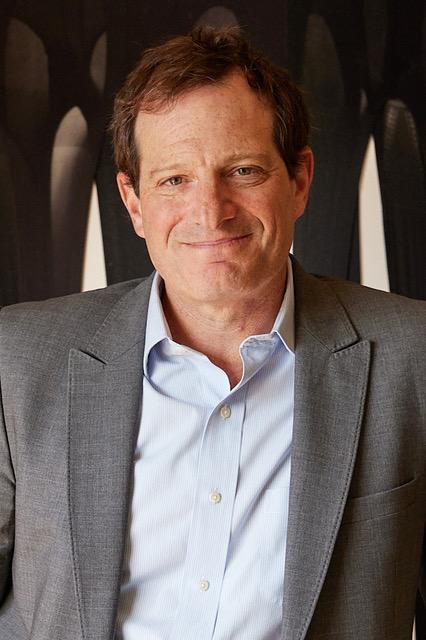
Scott Straus is Professor of Political Science at the University of California-Berkeley, where he also serves as Department Chair. Straus specializes in the study of genocide, political violence, and human rights, with an empirical focus on Sub-Saharan Africa. Straus is the author or editor of ten books, including Making and Unmaking Nations: War, Leadership, and Genocide in Modern Africa which won the Grawemeyer Award for Improving World Order and several other awards. He has written extensively on the Rwandan genocide and is a coeditor of The Cambridge World History of Genocide, Vol III. He was named the Mahatma Gandhi Fellow of the American Academy of Political and Social Science and was appointed to the US Holocaust Memorial Museum Counsel by President Obama.
Parking Information
Parking permits are required for all vehicles parked on the Sonoma State University campus. Event attendees are responsible for obtaining and displaying a valid parking permit while on campus.
Daily parking permits are $6 for General parking and $9 for Reserved parking. General permits are valid in General parking lots, including Lots E, F, G, H, J, L, M, N, and O.
Visitors can purchase a daily parking permit online in advance or from a Self-Service Parking Kiosk located in most campus parking lots. Kiosks accept major credit cards.
We encourage attendees to allow a few extra minutes before the event to park, purchase a permit if needed, and make their way to the event location.